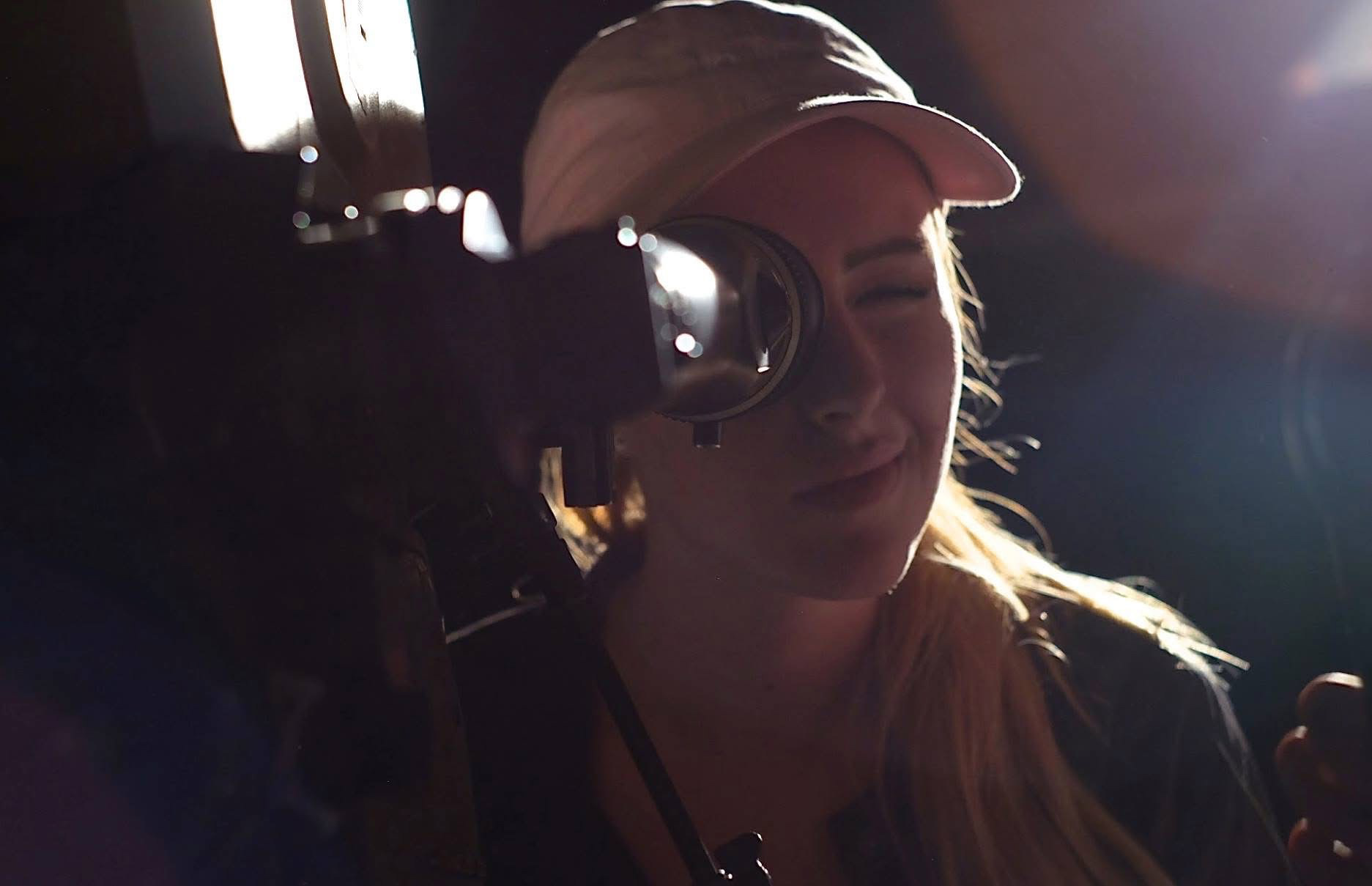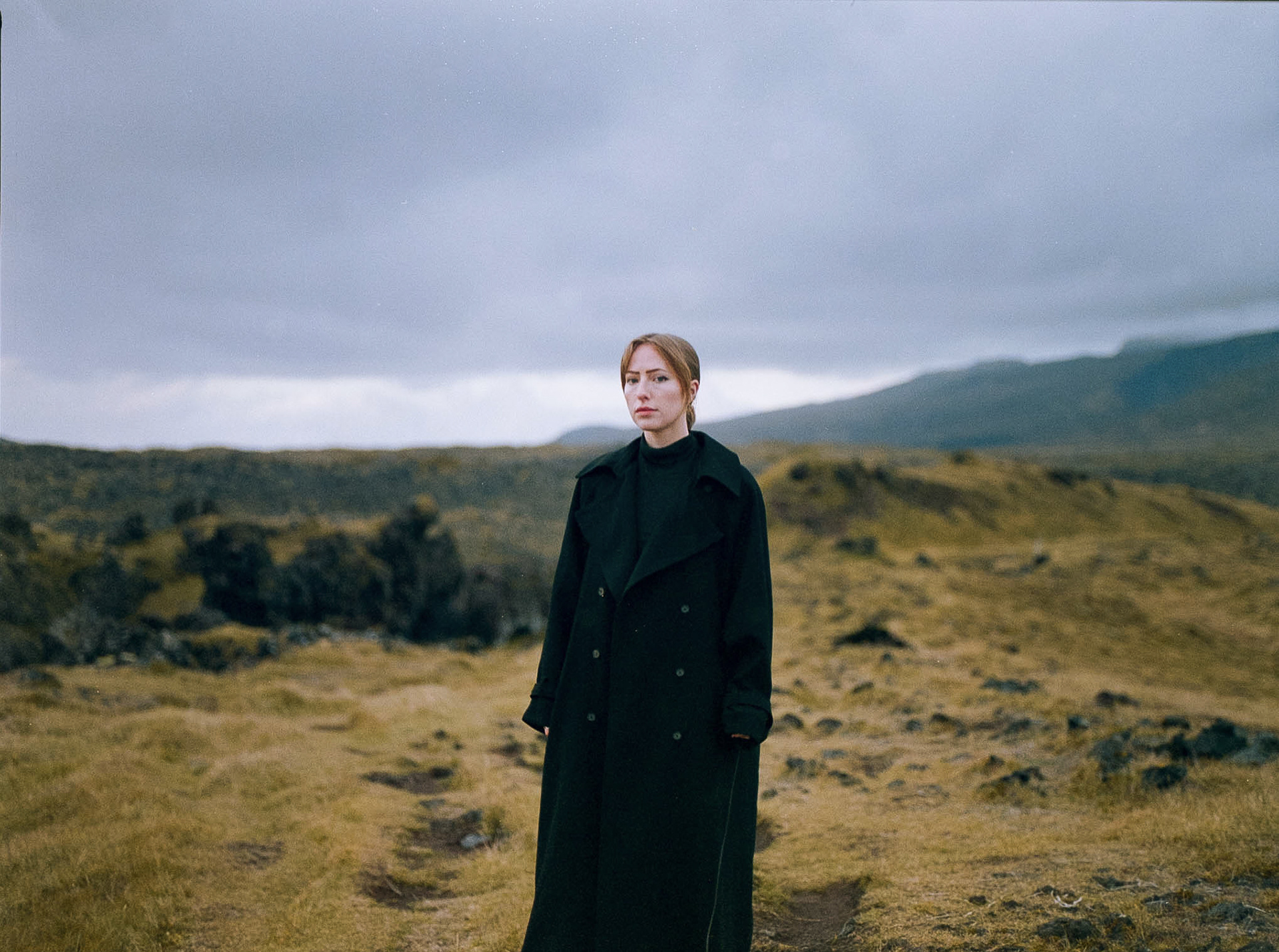
Laura Odermatt (@odrmtt) is a freelance DP, camera operator, and video editor based in Los Angeles. Also, as an avid analog film photography enthusiast and proud Widelux F6 owner, she creates relaxing and educational YouTube videos highlighting the meditative nature of film photography.
Laura, I’m so glad we could finally make this happen. I had actually seen one of your Widelux videos a long time ago, but when I came across the full article you published on the camera and realized what a Widelux geek you are, I knew I had to bring you over for a proper chat!
Yes, thank you so much for having me! It is really such an honor. And guilty as charged—I am a Widelux fanatic. It’s funny because even though I’m mostly an introverted person, when I start talking about the Widelux I sometimes even surprise myself at how much I can go on. I could happily talk about them for hours.
Q: Before talking about Laura the Widelux user, I’d like to talk about Laura the photographer and content creator. How did you get into photography? As a DP and camera operator, did it all start with photography, or was it the other way around?
A: When I was growing up, I had 3 main creative outlets: poetry, photography, and filming/editing videos with friends. My family was full of photography lovers as well—my parents both had their own cameras and so did my grandparents, and I had all sorts of digicams and DSLRs growing up too.
I chose cinematography originally because of my love of both photography and poetry—to me it felt like the perfect marriage of the two. I loved the process of telling a story using lighting, framing, and camera movement. It felt very much like poetry in creating an image to match a feeling.
And even though I built my career in the film industry, photography has always been a major part of my life: both as a passion and a comfort. I feel lucky that now I can combine all 3 of these things I love (photography, writing, and filming) in my YouTube videos too.
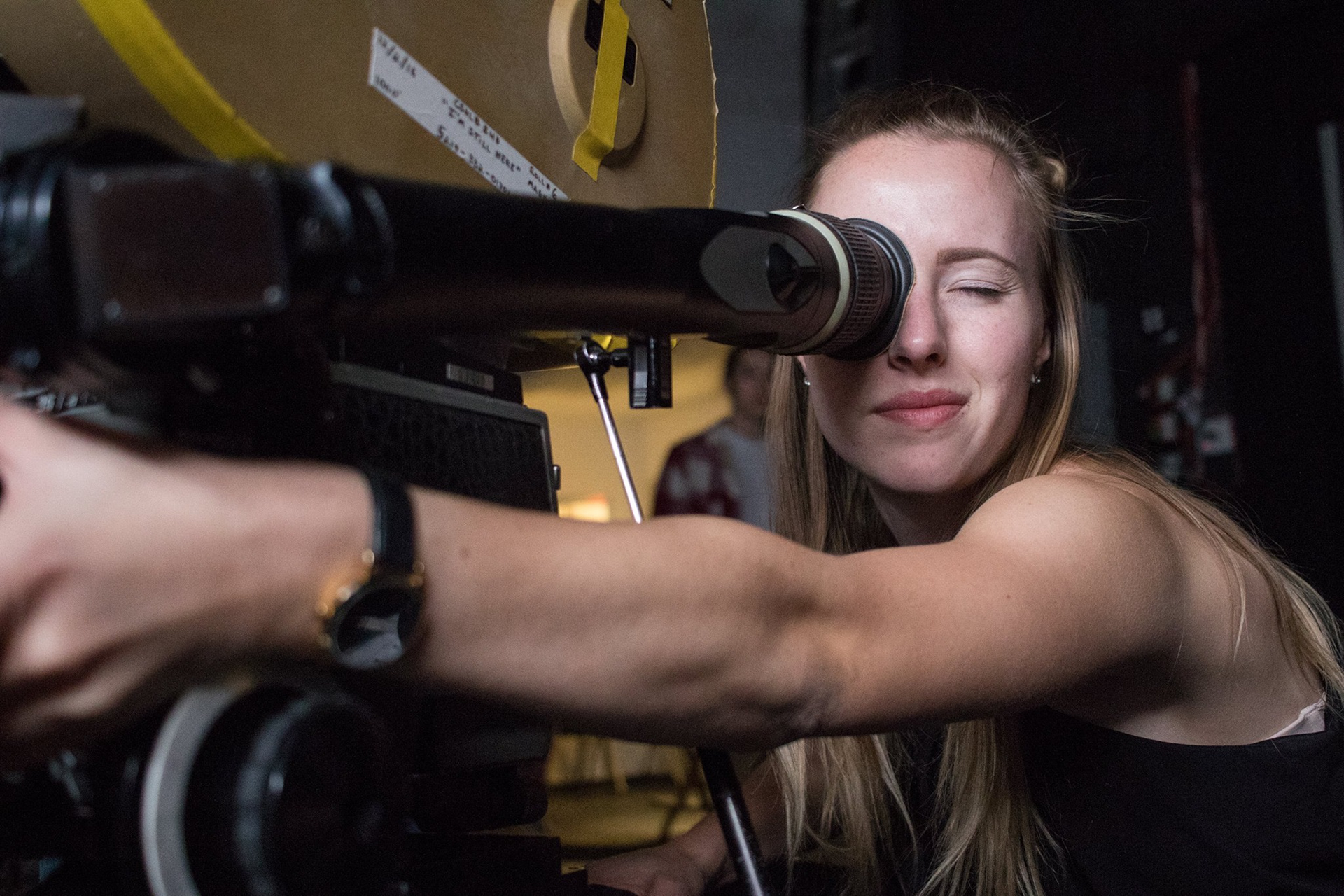
Q: This is a tougher question, but how does your work in the film industry influence your photography, and vice versa?
A: This is a fantastic question. I think most of my visual inspiration comes from my filmmaking background—from cinematographers, directors, and movies. Two of my favorite movies are Wings of Desire and The Tree of Life. Emmanuel Lubezki, the cinematographer of The Tree of Life, has always been a major inspiration to me. I always loved the wide, natural feel of his cinematography. His images truly feel like poetry.
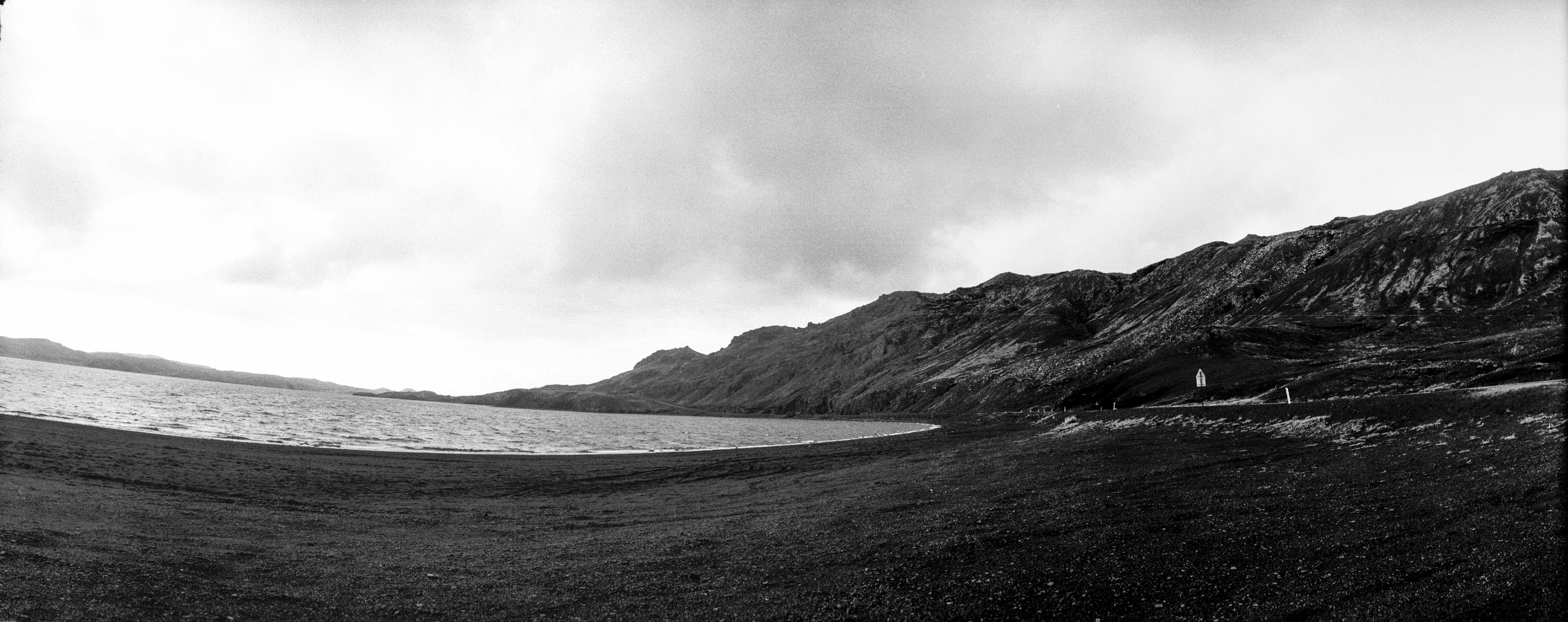
I think these are similar to what draws me to the Widelux, too. The Widelux is a very cinematic camera—with its sweeping field of view, its panoramic aspect ratio, and the swing-lens. Jeff Bridges said it best when he said the Widelux is like a “bridge” between photography and filmmaking.
Photography, specifically film photography, is what keeps me grounded. It’s where I can slow down and reconnect with my instincts. I love filmmaking, and I’m grateful that I get to do it for a living, but it can sometimes be hard to separate from work. Film photography remains a meditative space for me, though. And I think the way that it’s led me to create my own videos for YouTube, it’s also really made me appreciate the art of filmmaking in a whole new way.
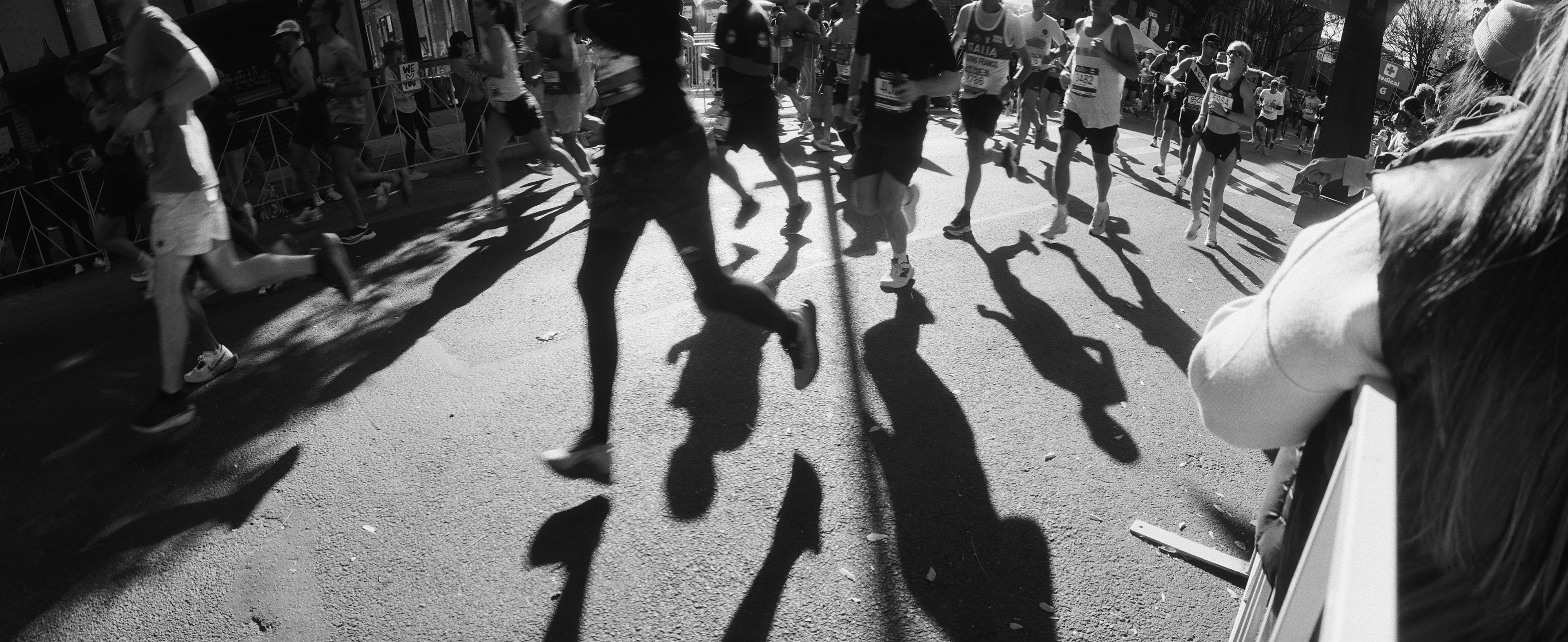
Q: Now that we know the basics, why did you decide to dedicate part of your time to creating YouTube videos as well?
A: I started my YouTube channel because I wanted to create content that makes you feel better after watching. It came after a time I felt at my lowest, during the pandemic and the lulls of the film industry, of comparison and social media, I had also been writing and felt like nothing I was doing was working. During the pandemic, watching my favorite creators became a comfort, and I became increasingly aware of the types of content that energized me and those that drained me.
I always knew I wanted to put some good back into the world, to give back some of the joy I found in being present, but for years I couldn’t figure out how to do it. Then, after a small success of one of my early YouTube videos, I realized the answer had been in front of me all along—and not only could I combine my love of filmmaking and photography, but all those years I spent writing now felt like they had a purpose as well.
If my videos can inspire photographers to see the world around them in a different way, to pick up a camera again, or to renew their appreciation for beauty in the simple things, that alone is enough to keep me going.
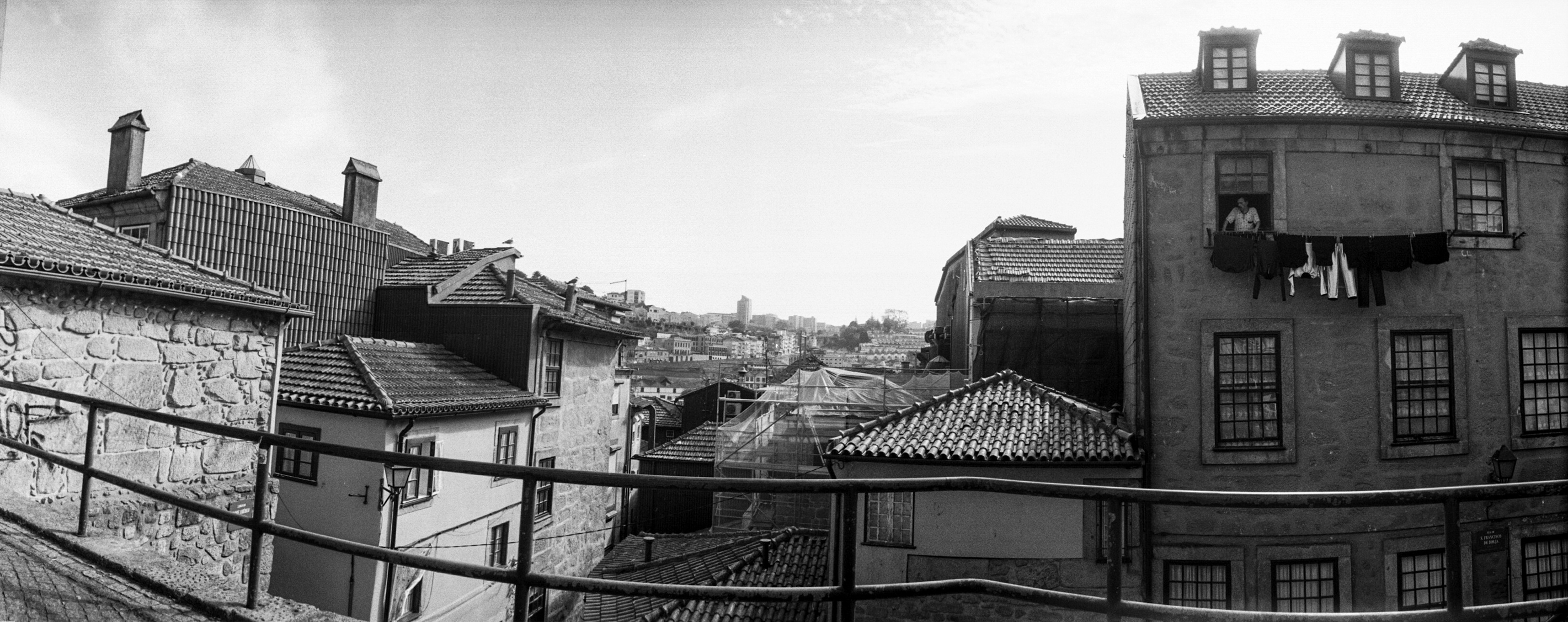
Q: The first video of yours that I watched was the one where you used the Widelux to photograph a concert (find it here). The first thing that struck me was how soothing it felt – meditative, as you describe it yourself. It definitely felt like meditation to me. Does creating this type of content feel like a form of meditation for you as well?
A: Oh absolutely. Shooting the photos and capturing b-roll is often stressful at first—between settling into a new place, managing multiple cameras, and the self-doubt spirals (my photos will be bad, the video will be boring, etc).
But I still find plenty of moments of peace, and sometimes, shooting the YouTube videos even feels therapeutic in itself. This was the case on a solo trip I took to Ireland. I think creating the video helped me overcome some of the anxiety of solo travel, since I had a clear purpose, a project. It made me feel even more present and connected to my surroundings.
The editing process, though, is really where the video comes to life. I love to take my time finding the right music to match a feeling, and creating the sound design especially. In every edit I get to re-experience these trips in a whole new way. To linger and appreciate moments that may have passed quickly in the flurry of shooting.
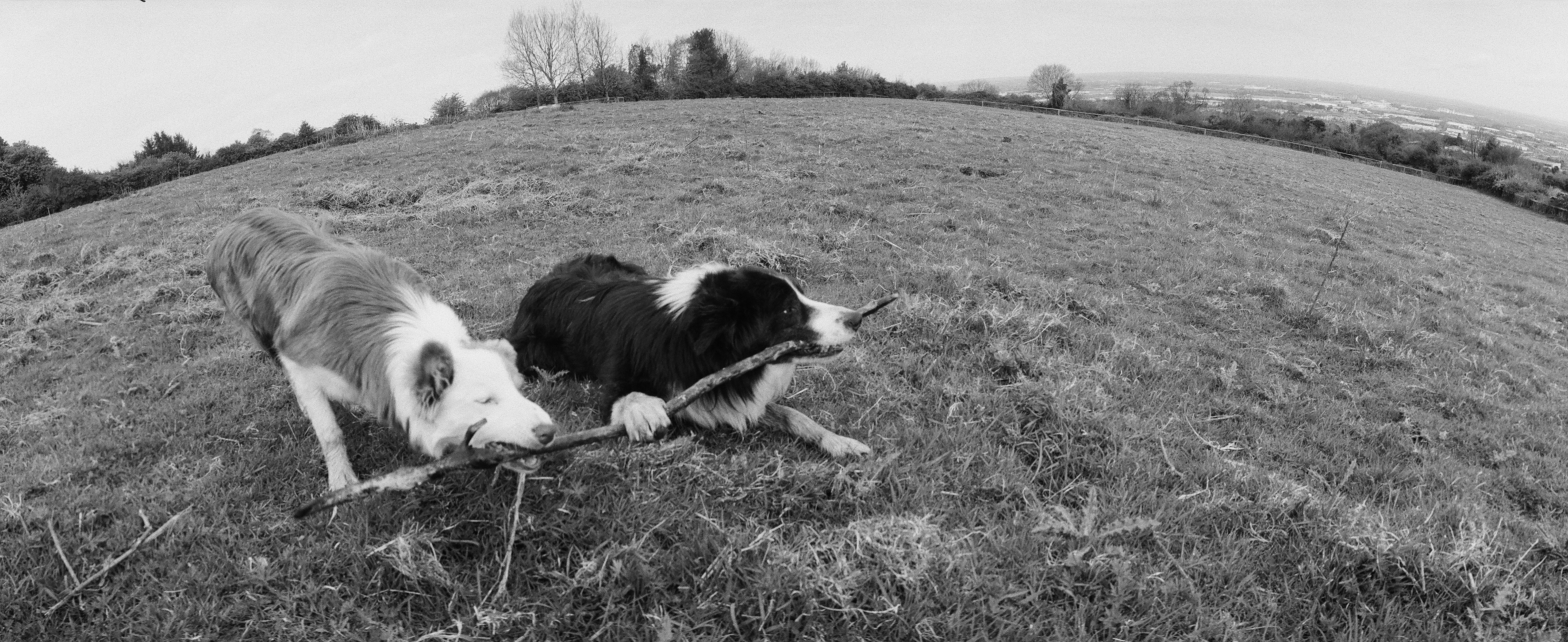
Q: Now, on to the Widelux. How and when did you first cross paths with it? Was it a chance encounter, or was it a more deliberate affair?
A: I had seen a few videos online about the Widelux, and was immediately interested in trying one out. Especially after I saw Jeff Bridges’ beautiful work, and the captivating photos Matt Price makes with them, too. So I looked online to see if it was possible to rent one—the only place I could find was a rental house in New York. I actually already had a trip planned for New York (where I was planning to visit friends and shoot one of my YouTube videos), so it was perfect timing.
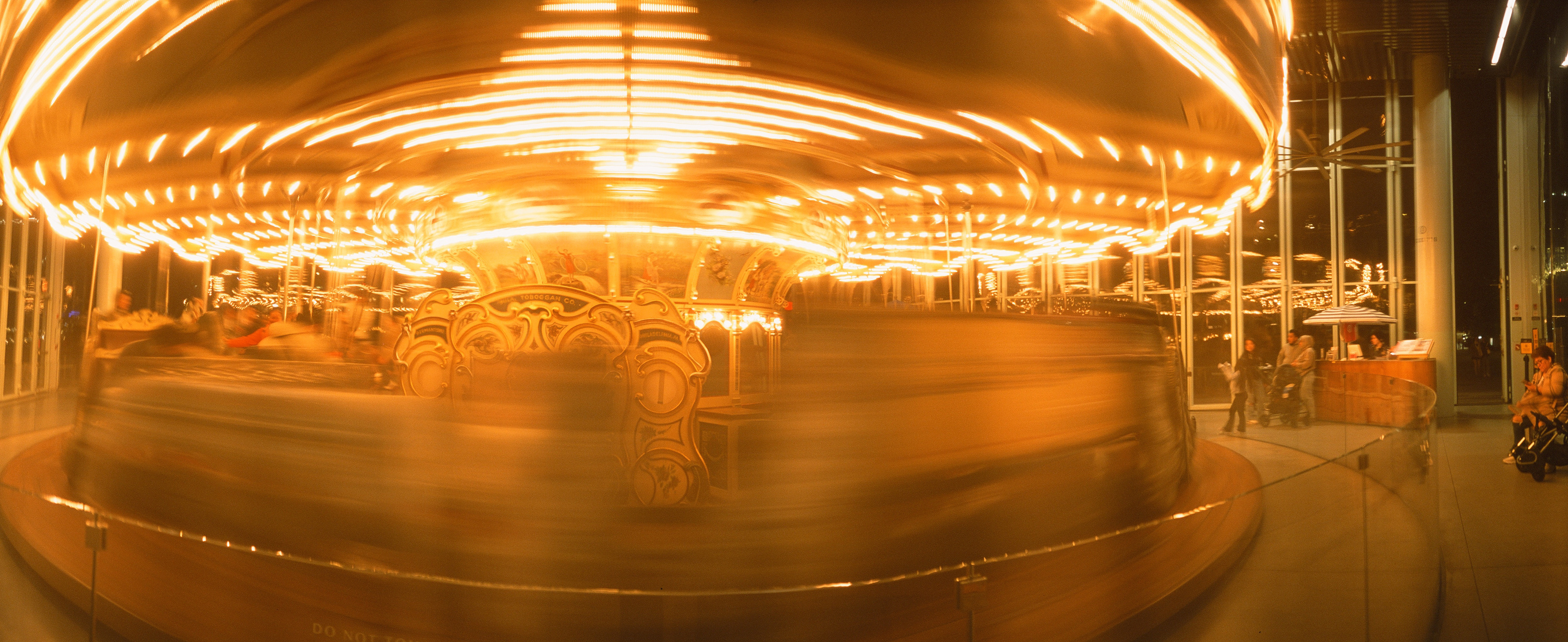
When I first held the Widelux F7 in my hands on the subway platform is when I actually fell in love with the camera. Before that point, I thought it was interesting and strange, but I didn’t expect to feel as connected to it as I did. Something about the compact size, its limited controls, the funky format, and the panoramic viewfinder—it just felt so exciting to use, like photography was “play” again.
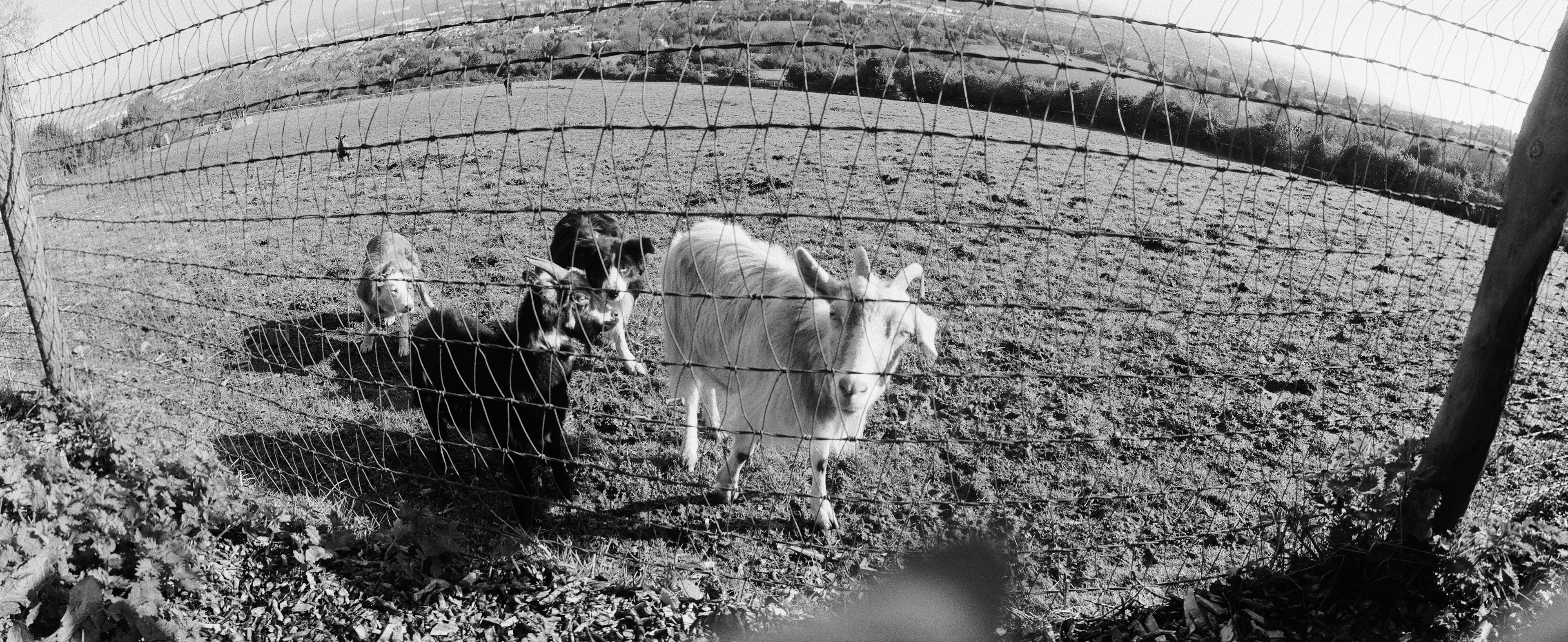
I quickly found it fun to visualize in this format. Not only in the panoramic aspect ratio, but the unique and fluid-looking distortion as well. I used the rental F7 for about 3 days, but even after I returned it, I couldn’t stop “seeing” the world around me in Widelux! As soon as I got back home, I bought the Widelux F6 that I use today.
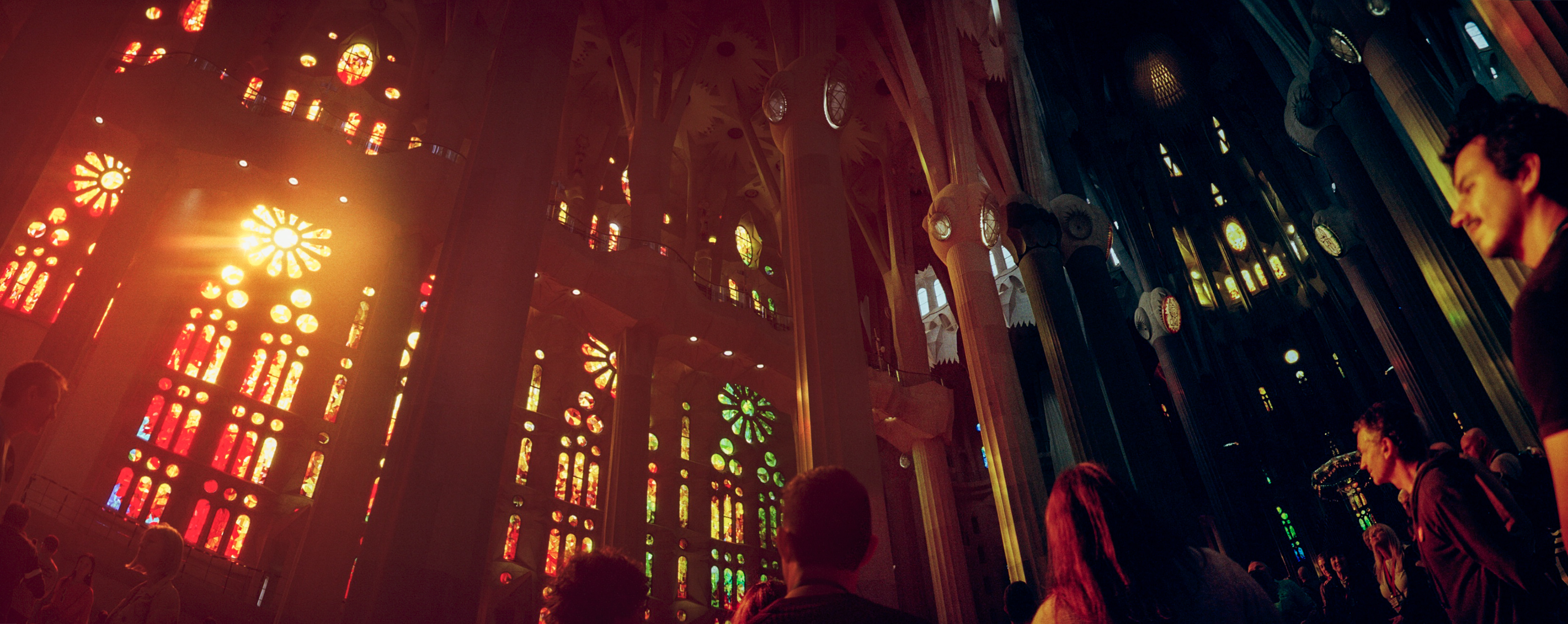
Q: I have to say, you've become quite an ambassador for this quirky camera, even publishing an excellent article on its history (click here to check it out!). When did that fascination begin? And what was it like diving so deeply into the camera's history and development?
A: My fascination with Widelux cameras really started after I ordered multiple swing-lens cameras and not one of them worked correctly. Even the F6 that I use today has its own issues with the 1/10 shutter. I realized then how common this must be, especially given how delicate they are, and how vastly different each Widelux is in their build quality.
After that I was determined to learn more about these mysterious cameras. And the more I learned, the more I discovered just how intertwined the Widelux is into both the photography and filmmaking worlds. I found this especially exciting. Specifically in how the advent of CinemaScope gave us a language and appreciation for panoramic images, even today we often describe Widelux images (and other panoramic photos) as “cinematic.”
Q: Having used other cameras with a similar form factor, what is it about the Widelux that still makes it special to you? What sets it apart?
A: To me, one of the things that makes the Widelux the most special of the swing-lens cameras is the place it holds in filmmaking history. Although brief, it is still very notable. Jeff Bridges really introduced this camera to the public, and continues to keep its legacy alive. Stanley Kubrick also used a Widelux for behind-the-scenes photography of 2001: A Space Odyssey. It truly is a camera that sits between both the photography and filmmaking worlds.
And even though it is a niche camera, the factory burned down, and the original manufacturers went out of business, its legacy is still kept alive today by those who love it. By your work through Widelux Club, by Philippe Raybaudi and the work he does to share his expertise, by Jeff Bridges, Silvergrain Classics, the new WideluxX project, and by all of those out there that continue to love and use these strange cameras. The camera is special not only for its unique look and history, but for the community of people rallying behind it. Even though these cameras are delicate, strange, and often finicky, there is something we find in them worth preserving. Of all the reasons to love this camera, I think this is the most meaningful.
Q: Laura, thank you for taking the time to do this interview. It's because of people like you, that share Widelux content and knowledge with the world, that this community continues to thrive. And I have to say, it seems to be growing faster than ever. Maybe we can organize a proper Widelux gathering one day, who knows?
A: I am so grateful for the work you do with Widelux Club! And a Widelux meetup would be a dream come true—the Widelux community is truly a special one.
Make sure to follow Laura on Instagram (@odrmtt) and subscribe to her YouTube channel here. There you'll find high-quality content on the art of photography.
If you'd like to see more of her work with the Widelux, be sure to check out the following videos:
Laura also recently released a fantastic video essay guiding newcomers through the process of buying their own Widelux (find it here).